How Much Does Pool Maintenance Cost Per Year? The Complete Breakdown

Short answer: For a standard in-ground pool of 10,000 to 13,000 gallons using chlorine, annual maintenance costs run between $800 and $1,400 — roughly $2.20 to $3.85 per day. This figure covers water, electricity, chemicals, and insurance. It excludes heating (which can double your energy bill) and unpredictable repair costs. This guide breaks down each expense line with specific numbers, compares costs by treatment type, and identifies the most effective ways to reduce the bill.
Overview: Pool Expense Categories
Annual pool costs break down into six main categories. All are recurring except the permit and tax assessment, which are typically one-time costs at construction.
| Expense Category | Estimated Annual Cost (10,000–13,000 gal pool) | Recurring? |
|---|---|---|
| Water (partial top-up and replacement) | $50 – $100 | Yes |
| Electricity (filtration only) | $300 – $480 | Yes |
| Chemicals (traditional chlorine) | $300 – $500 | Yes |
| Insurance | $50 – $150 | Yes |
| Property tax increase | $200 – $500 | Yes (in-ground pools) |
| Professional maintenance (contract) | $1,200 – $3,000 | Optional |
| Total without professional service or heating | $900 – $1,730/year |
Pool heating is excluded from these estimates because it's the most variable expense of all: from $0 (no heating) to $600–$900 per season (heat pump) to over $1,000 per month (electric resistance heater). If you heat your pool, double the electricity portion of your budget mentally.
Expense #1: Water
A well-maintained pool doesn't need to be fully drained every year. Annual water use is partial: roughly 2,500 to 4,000 gallons to compensate for evaporation, splash-out, and partial dilution of accumulated CYA.
| Situation | Annual Volume | Estimated Cost (at $0.01/gallon) |
|---|---|---|
| Routine top-up (evaporation and splash) | 2,500 – 4,000 gal/year | $25 – $40/year |
| With partial drain (CYA dilution) | 5,000 – 8,000 gal/year | $50 – $80/year |
| Initial fill (one-time) | 10,000 – 13,000 gal | $100 – $130 (one-time) |
Note: average US water rates are approximately $0.01 per gallon (combined water and sewer), but range from $0.005 to $0.02 depending on your municipality. Check your utility bill for a precise calculation.
Savings tip: a solar cover or automatic pool cover reduces evaporation by 30 to 50%, directly reducing water consumption and chemical usage.
Expense #2: Electricity
The pump and filtration system are a pool's main electricity consumers. They need to run several hours per day throughout the season — and often year-round for heated or non-winterized pools.
| Equipment | Typical Consumption | Estimated Annual Cost |
|---|---|---|
| Standard single-speed pump (1 HP) | 1,500 – 2,200 kWh/year | $210 – $310/year |
| Variable-speed pump (energy-efficient) | 600 – 900 kWh/year | $85 – $130/year |
| Salt chlorine generator | 150 – 250 kWh/year (on top of pump) | $20 – $35/year |
| Heat pump (heating) | 2,000 – 4,000 kWh/season | $280 – $560/season |
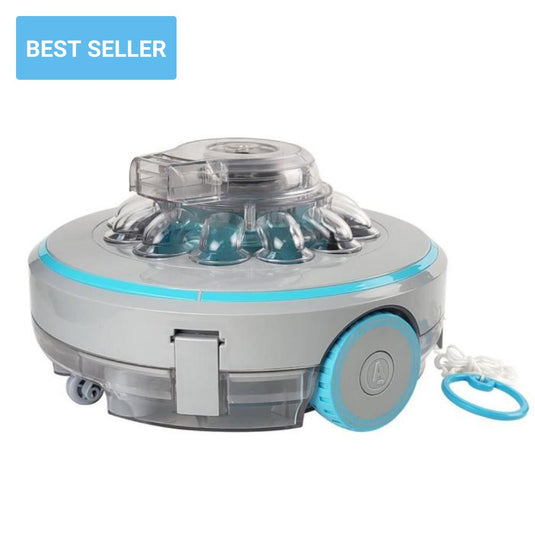
| Robotic pool cleaner | 75 – 150 kWh/year | $10 – $20/year |
How to calculate precisely: pump wattage (in kW) × annual run hours × electricity rate ($/kWh). Example: 1 HP pump (0.75 kW) × 1,800 hours/year × $0.14/kWh = $189/year.
Savings lever: a variable-speed pump uses 50 to 80% less electricity than a standard single-speed pump. The investment ($600 to $1,200) typically pays off within 2 to 3 seasons — and variable-speed pumps are now required by federal law for new pool installations in the US.
Expense #3: Chemicals
Chemical costs depend primarily on your chosen treatment type. Here are realistic ranges for a 10,000 to 13,000-gallon pool in good condition.
| Product | Estimated Annual Cost | Note |
|---|---|---|
| Chlorine (tablets or liquid) | $150 – $250 | Main expense for chlorine treatment |
| pH decreaser and pH increaser | $40 – $80 | Varies with local water hardness |
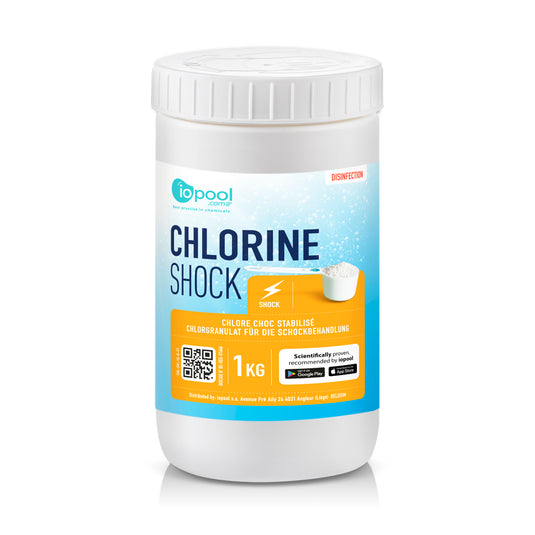
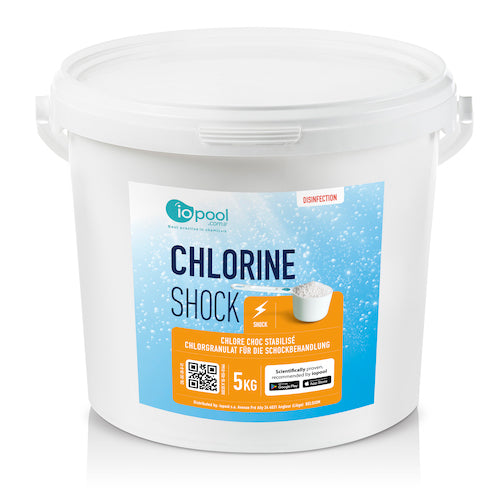
| Shock treatment (2 to 4 times/season) | $30 – $70 | Unstabilized chlorine or non-chlorine shock |
| Preventive algaecide | $20 – $40 | Optional if water is well-balanced |
| Flocculant and clarifier | $15 – $35 | Depends on local water quality |
| Scale inhibitor | $15 – $30 | Recommended in hard water areas |
| Winterizing chemicals | $20 – $50 | Depends on winterization method |
| Total (traditional chlorine) | $290 – $555/year |
What drives this budget up or down: local water hardness (hard water = more pH decreaser), bather load (heavy use = more shock), pool cover use (reduces chlorine consumption), and consistency of monitoring (an undetected imbalance leads to costly curative treatments).
Expense #4: Insurance
A pool increases your liability exposure — drowning, slip-and-fall, unauthorized access. Dedicated coverage is strongly recommended and may be required by your homeowner's insurance policy.
| Coverage Type | Estimated Annual Cost | What It Covers |
|---|---|---|
| Liability extension (via homeowner's policy) | $50 – $150/year | Bodily injury or property damage to third parties |
| Pool equipment coverage | $30 – $80/year | Vandalism, natural disaster, equipment breakdown |
Safety requirements: most US states require in-ground pools to be enclosed by a fence with a self-closing, self-latching gate. Requirements vary by state. Pool safety barriers represent a one-time investment of $1,500 to $5,000 depending on fence type and perimeter. Some insurers require proof of compliance before issuing coverage.
Umbrella policy tip: if you host guests regularly, a personal umbrella liability policy ($150 to $300/year for $1M in coverage) is worth considering — a single drowning lawsuit can exceed standard homeowner's policy limits.
Expense #5: Property Tax Impact
An in-ground pool is a permanent improvement that increases your home's assessed value and, in turn, your property taxes.
| Pool Type | Property Tax Impact | Estimated Annual Increase |
|---|---|---|
| In-ground pool (concrete, fiberglass, vinyl) | Taxable — increases assessed value | $200 – $500/year on average (varies widely by state and county) |
| Removable above-ground pool | Generally not taxable | $0 in most jurisdictions |
| Permanent above-ground pool (attached to deck) | May be taxable depending on local rules | Varies by jurisdiction |
Permit fees: a building permit for pool construction typically costs $200 to $500 depending on your municipality. Some jurisdictions also charge an annual pool registration fee. Check with your local building department before construction.
HOA fees: if you live in a homeowners association community, check CC&Rs before installing a pool — some HOAs require approval, specific fencing types, or charge a one-time pool registration fee.
Expense #6: Professional Maintenance (Optional)
Hiring a pool service company provides real convenience but adds significant cost.
| Service | Estimated Cost |
|---|---|
| One-time visit | $75 – $150/visit |
| Pool opening (spring) | $200 – $500 |
| Pool closing (winterization) | $200 – $500 |
| Full annual maintenance contract | $1,200 – $3,000/year depending on frequency and services |
Cost Comparison by Treatment Type
| Treatment Type | Annual Chemical Cost | Advantages | Drawbacks |
|---|---|---|---|
| Traditional chlorine (tablets + adjusters) | $290 – $555 | Simple, effective, widely available products | CYA buildup risk, regular manual additions |
| Salt chlorine generator | $70 – $200 (salt + pH adjusters) | Low operating cost, superior swimming comfort | High upfront cost ($800 – $4,000), pH management required |
| Non-chlorine (bromine or MPS/OXY shock) | $350 – $550 | Chlorine-free, better for sensitive swimmers | Higher cost, less effective in large sunny pools |
| UV + reduced chlorine | $200 – $350 (reduced chlorine) | Less chlorine needed, excellent water quality | UV lamp investment ($500 – $1,000), annual replacement |
The Expenses Most Owners Forget
These aren't annual costs, but they need to be anticipated over a 5 to 15-year horizon:
| Item | Frequency | Estimated Cost |
|---|---|---|
| Filter sand replacement | Every 5 years | $100 – $250 |
| Pump replacement | Every 8 to 12 years | $400 – $1,200 |
| Vinyl liner replacement | Every 10 to 15 years | $3,500 – $7,000 installed |
| Salt chlorine generator cell | Every 4 to 7 years | $250 – $900 |
| Liner repair (tear, leak) | Unpredictable | $150 – $600 depending on extent |
| Winter cover replacement | Every 5 to 8 years | $150 – $600 |
| Pool replastering (concrete pools) | Every 10 to 15 years | $5,000 – $15,000 |
How to Reduce Your Annual Pool Budget
| Action | Estimated Annual Savings | Investment Required |
|---|---|---|
| Solar cover or insulating pool cover | $60 – $120 (water + chemicals) | $150 – $600 |
| Variable-speed pump | $150 – $250 (electricity) | $600 – $1,200 |
| Connected water analyzer (prevents overdosing and curative treatments) | $75 – $200 (chemicals) | $150 – $350 |
| Switch to salt chlorine generator | $150 – $300 (chemicals) | $800 – $4,000 |
| Proper winterization | $30 – $80 (chemicals + equipment wear) | Time + $75 – $150 in products |
| Regular water testing (prevents costly imbalances) | $75 – $250 (curative treatments avoided) | Test strips or photometer: $25 – $200 |
The most cost-effective principle: prevention always costs less than cure. A green pool treatment costs $75 to $200 in chemicals and means days without swimming. A connected analyzer like the iopool Eco Start monitors pH and ORP continuously and alerts you the moment a parameter drifts, letting you fix a small imbalance before it becomes an expensive problem.
FAQ
How much does it cost to maintain a pool per year in the US?
For a standard in-ground pool of 10,000 to 13,000 gallons using chlorine, annual maintenance costs excluding heating and professional service run between $800 and $1,400. This covers water ($50–$100), electricity ($300–$480), chemicals ($290–$555), and insurance ($50–$150). Property tax increases add approximately $200 to $500 per year.
What does it cost to maintain an above-ground pool per year?
For an above-ground pool of 2,500 to 5,000 gallons with a cartridge filter, annual costs are significantly lower: $100 to $200 in chemicals, $80 to $150 in electricity, and $25 to $50 in water. Total: roughly $200 to $400 per year — with no property tax impact in most jurisdictions for removable above-ground pools.
Is saltwater pool maintenance cheaper?
Yes, in annual operating costs: $70 to $200 in salt and pH adjusters versus $290 to $555 in chlorine and associated products. But the upfront investment ($800 to $4,000 for the salt chlorine generator) and cell replacement every 4 to 7 years ($250 to $900) means the break-even point is typically 3 to 6 years.
How much does it cost to heat a pool per year?
It's the most variable pool expense. A heat pump costs $280 to $560 per season in electricity. An electric resistance heater can exceed $700 per month. Solar heating has near-zero operating costs after installation. A solar cover ($150 to $300) can raise water temperature by 5 to 10°F at no energy cost, extending the swim season and reducing heating needs significantly.
Does an in-ground pool increase property taxes?
Yes, in most jurisdictions. An in-ground pool typically increases your home's assessed value by $10,000 to $30,000 depending on size and location, which translates to $200 to $500 more in annual property taxes. Above-ground removable pools generally don't affect assessed value.
Is it worth hiring a pool service company?
A full-service maintenance contract ($1,200 to $3,000/year) offers convenience and professional expertise, but typically costs two to three times more than competent DIY maintenance. It makes sense for owners who lack time or don't want to learn water chemistry. For those who want to reduce costs while automating monitoring, a connected analyzer is an effective middle ground.
How can I reduce my chemical costs?
The most effective levers: a pool cover (reduces chlorine evaporation by 30 to 50%), consistent testing to correct small imbalances before they require shock treatments, and a connected analyzer to catch drift in real time. Precise preventive monitoring reduces chemical consumption by 20 to 40% compared to reactive, approximated maintenance.
Want a precise estimate of your pool's annual budget? Share your pool volume, treatment type, and region in the comments — our team will give you a personalized estimate.