MPS (Chlorine-Free Oxidant) vs. Chlorine Shock Treatment During Cold Periods

Maintaining a pool or spa during colder months brings its own challenges. Lower temperatures slow chemical reactions, reduce chlorine efficiency, and make water more likely to accumulate contaminants if not treated properly. Two common tools stand out for oxidation: MPS (non-chlorine oxidizer) and chlorine shock. Here’s how they compare — and which one to use depending on the situation.
What Is MPS (Non-Chlorine Oxidizer)?
MPS, also called potassium monopersulfate, is an oxidizer that removes organic waste (sweat, cosmetics, lotions, oils) without adding chlorine. Its strengths include:
- Works quickly
- Doesn’t raise chlorine levels
- Doesn’t create chloramines
- Doesn’t produce strong odors
- Safe to use more frequently
- Particularly useful in spas, where bather load is intense and water volume small
However, MPS is not a sanitizer. It oxidizes contaminants but does not kill bacteria. A proper disinfectant (chlorine or bromine) must still be present in the water.
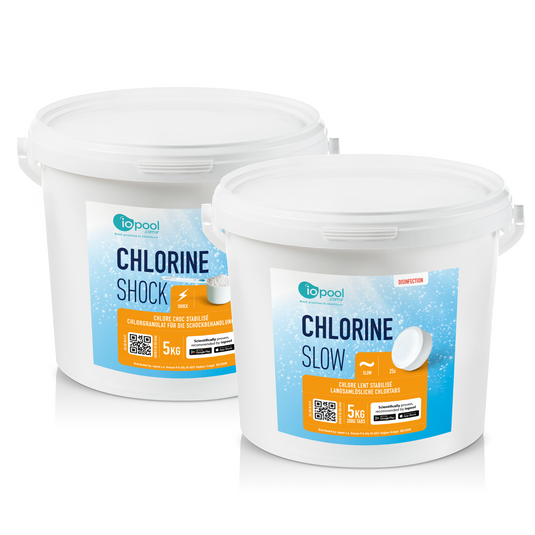
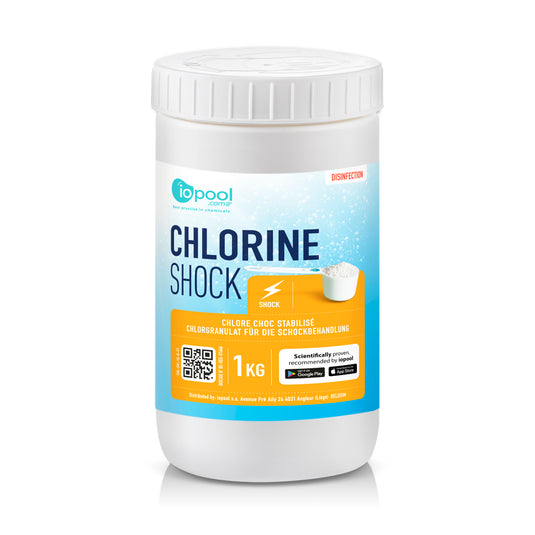
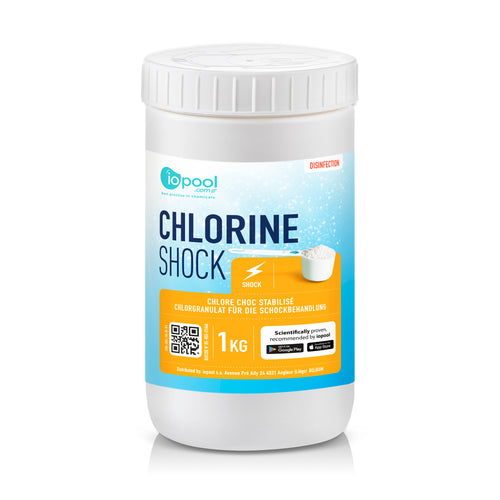
What Is a Chlorine Shock Treatment?
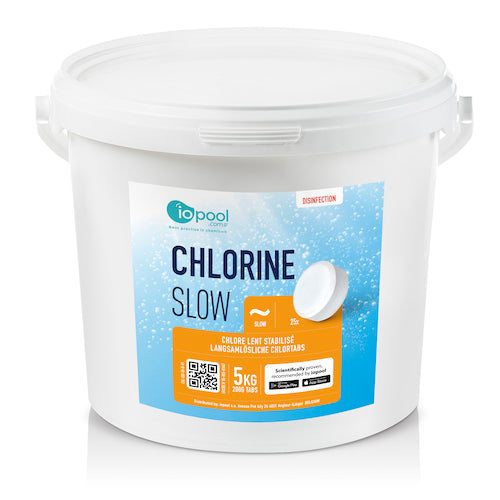
Chlorine shock adds a high dose of chlorine to:
- Oxidize organic waste
- Destroy chloramines
- Kill bacteria and algae
- Restore water clarity
It is more powerful than MPS, but also:
- Stronger in smell
- Requires waiting time before swimming
- Less efficient in very cold water (< 15°C), where chlorine activity slows down
- Can temporarily raise pH
Chlorine shock is essential when the water is cloudy, green, or heavily contaminated.
How Cold Water Affects Both Treatments
Cold temperatures significantly change how chemicals work:
- Chlorine becomes slower and less reactive
- Oxidation reactions take longer
- Organic waste accumulates more easily when the pool/spa is used less often
- Water circulation may be reduced in winter settings
This means choosing the right oxidizer becomes even more important.
Using MPS in Cold Periods
MPS remains effective even when the water is cold because its oxidation reaction is less affected by temperature than chlorine.
It is ideal during winter for:
- Spas used in cold weather
- Indoor pools with reduced bather load
- Outdoor pools during shoulder seasons
- Quick oxidation without affecting chlorine levels
- Avoiding chloramine formation under cold conditions
Because MPS doesn’t rely on temperature-sensitive disinfection, it remains a stable and reliable option in colder months.
Using Chlorine Shock in Cold Periods
Chlorine shock still plays a key role, but with limitations:
- Requires more time to act
- May not fully oxidize contaminants when the water is very cold
- But is still necessary when the water shows signs of trouble (cloudiness, algae, smell, high combined chlorine)
In cold weather, chlorine shock should mainly be used as a corrective treatment — not a routine one.
Which One Should You Choose?
Use MPS when:
- You need fast oxidation
- You want to avoid strong chlorine odors
- The water is cold and you want stable results
- You maintain a spa regularly in winter
- You want to prevent chloramine buildup
- You prefer a gentler, routine weekly treatment
Use chlorine shock when:
- The water is cloudy, green, or problematic
- Combined chlorine levels are high
- You need a deep sanitation reset
- You are reopening a pool or preparing for heavy use
For the best results, both treatments can complement each other when used correctly.
How iopool Helps You Decide
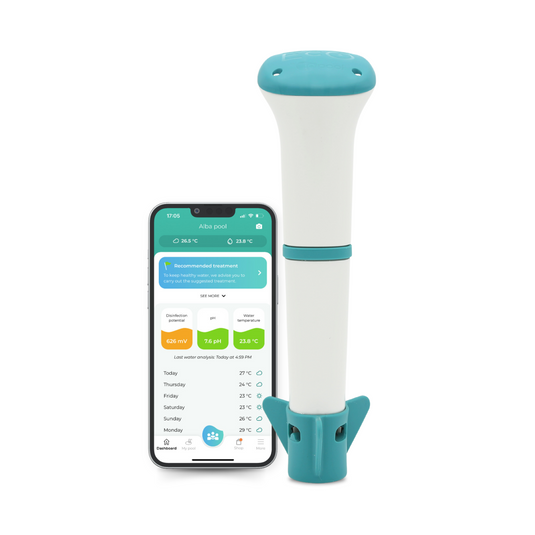
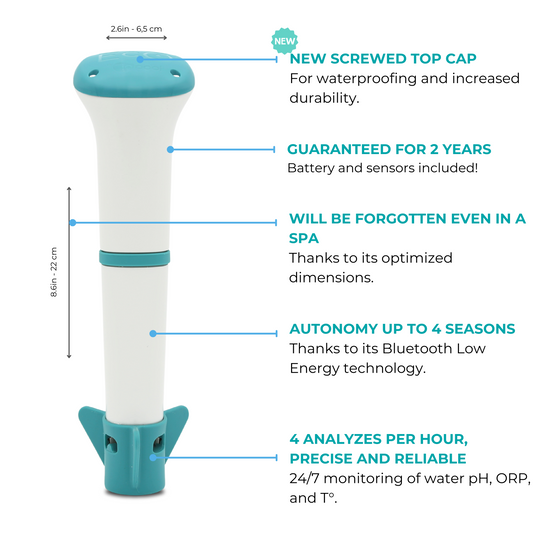
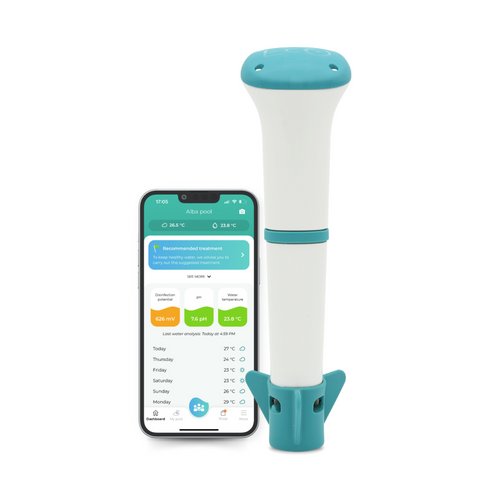
The EcO water analyzer monitors your pool or spa in real time and tells you exactly when to use MPS or chlorine shock, based on:
- Free chlorine
- Combined chlorine
- pH
- ORP
- Temperature
This avoids guesswork — especially in winter, when chemical reactions behave differently.
Conclusion
Both MPS and chlorine shock play essential roles, but their effectiveness changes in cold water.
MPS shines as a temperature-stable oxidizer, ideal for regular winter maintenance, while chlorine shock remains the strong corrective solution when deeper sanitation is needed.
With EcO and the iopool app, you can confidently choose the right treatment at the right moment, even during the coldest months.